×

The growth and diversification of Iraq’s economy have increased the demand for Industry-Specific Logistics in Iraq. Different industries operate under unique conditions, regulations, and operational requirements, making standardized logistics solutions ineffective in many cases. Industry-specific logistics focuses on customized strategies that align transportation, warehousing, and supply chain services with the precise needs of each sector.
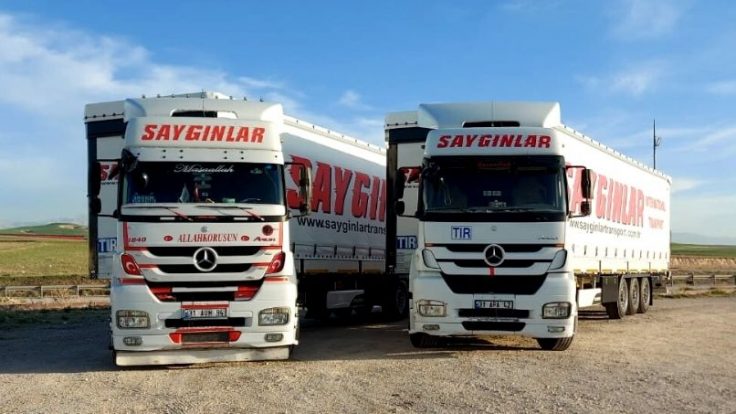
Industry-Specific Logistics in Iraq plays a vital role in ensuring efficiency, compliance, and reliability across supply chains. Iraq’s industries range from oil and gas to construction, healthcare, retail, and manufacturing, each requiring tailored logistics approaches.
Generic logistics models often fail to address industry-specific risks, timelines, and technical requirements. Customized logistics solutions help companies reduce operational disruptions, manage costs, and maintain consistent service levels.
The oil and gas sector is one of the most demanding areas for Industry-Specific Logistics in Iraq. This industry requires precise coordination of heavy equipment, spare parts, and hazardous materials. Logistics operations must comply with strict safety, security, and regulatory standards.
Specialized transportation for oversized cargo, controlled storage for sensitive equipment, and reliable delivery schedules are essential. Logistics providers with oil and gas expertise help ensure uninterrupted operations and minimize downtime in this critical sector.
Large-scale construction and infrastructure development rely heavily on Industry-Specific Logistics in Iraq. Projects often involve transporting heavy machinery, building materials, and prefabricated components to multiple sites across the country.
Logistics planning for construction projects must consider site accessibility, phased deliveries, and storage near project locations. Effective coordination ensures materials arrive on time, reducing delays and cost overruns.
Manufacturing and industrial operations depend on consistent material flow, making Industry-Specific Logistics in Iraq a key success factor. Raw materials, components, and finished goods require efficient inbound and outbound logistics processes.
Warehousing solutions tailored to production schedules, inventory management systems, and just-in-time delivery strategies help manufacturers maintain productivity and control costs. Logistics providers must align closely with production planning to avoid disruptions.
Retail and consumer goods distribution requires speed, accuracy, and scalability. Industry-Specific Logistics in Iraq supports this sector by enabling efficient warehousing, order fulfillment, and last-mile distribution.
Seasonal demand fluctuations and promotional campaigns increase the complexity of logistics planning. Tailored solutions help retailers maintain product availability while minimizing excess inventory and storage costs.
Healthcare logistics is one of the most sensitive areas of Industry-Specific Logistics in Iraq. Pharmaceuticals, medical equipment, and healthcare supplies often require temperature control, secure handling, and strict compliance with quality standards.
Logistics providers must ensure product integrity throughout transportation and storage. Reliable healthcare logistics supports patient safety and strengthens the overall healthcare system.
The automotive sector relies on Industry-Specific Logistics in Iraq for the movement of vehicles, spare parts, and accessories. Efficient distribution networks are essential to support dealerships, service centers, and aftermarket operations.
Accurate inventory management and rapid replenishment reduce downtime and improve customer satisfaction. Customized logistics solutions help manage high SKU volumes and regional distribution needs.
Warehousing is a core element of Industry-Specific Logistics in Iraq. Different industries require different storage conditions, layouts, and handling procedures. Tailored warehousing solutions support operational efficiency and product safety.
Industry-focused warehouses improve inventory visibility, reduce handling errors, and enhance coordination with transportation services. Strategic warehouse location further optimizes distribution performance.
Technology enables the effectiveness of Industry-Specific Logistics in Iraq by providing visibility, control, and analytics. Industry-aligned logistics systems support tracking, reporting, and performance measurement.
Data integration between logistics providers and clients improves planning accuracy and responsiveness. Advanced systems allow proactive issue resolution and continuous optimization of logistics processes.
Each industry operates under specific regulatory frameworks, making compliance a critical aspect of Industry-Specific Logistics in Iraq. Logistics providers must understand and manage industry-related regulations, customs requirements, and safety standards.
Risk management strategies, including contingency planning and route diversification, help reduce exposure to operational disruptions. Industry expertise ensures smoother compliance and lower risk levels.
Despite its advantages, Industry-Specific Logistics in Iraq faces challenges such as infrastructure gaps, regulatory complexity, and workforce skill shortages. Tailored solutions require investment, expertise, and strong coordination across stakeholders.
Addressing these challenges involves capacity building, technology adoption, and collaboration between logistics providers, industry players, and authorities.
The future of Industry-Specific Logistics in Iraq will be shaped by digitalization, automation, and integrated supply chain models. As industries evolve, logistics solutions will become more specialized and data-driven.
Increased focus on sustainability, efficiency, and resilience will drive innovation. Logistics providers that invest in industry knowledge and technology will gain a competitive advantage.
In conclusion, Industry-Specific Logistics in Iraq is essential for supporting the country’s diverse and growing industrial landscape. By delivering customized logistics solutions tailored to the needs of each sector, logistics providers enhance efficiency, compliance, and reliability. As Iraq’s economy continues to expand, industry-specific logistics will remain a key driver of operational success and long-term growth.